The name "Petronas" adorns the world's tallest twin towers, but relatively few visitors know the story of the company itself. Petroliam Nasional Berhad — universally known as PETRONAS — is Malaysia's fully state-owned oil and gas corporation, a Fortune Global 500 company, and one of the most profitable enterprises in Southeast Asia. Understanding Petronas is key to understanding why the towers were built, how they were financed, and what they represent.

The PETRONAS logo — a symbol recognised across the global energy industry.
History of Petronas
PETRONAS was established on 17 August 1974 under the Petroleum Development Act, which vested ownership of all oil and gas resources in Malaysia in the corporation. The move was part of a broader wave of resource nationalism in the 1970s, as developing countries sought greater control over their natural wealth. At its founding, PETRONAS was a small administrative body; within a decade, it had grown into a fully integrated oil and gas company engaged in exploration, production, refining, distribution, marketing, and petrochemicals.
Under the leadership of successive CEOs — most notably Tan Sri Azizan Zainul Abidin and Tan Sri Hassan Marican — PETRONAS expanded aggressively into international markets. By the 1990s, the company held production-sharing contracts and equity stakes in more than 30 countries, from Sudan and Turkmenistan to Vietnam and Australia. This global reach generated enormous revenues that funded Malaysia's national development, including the KLCC project.
Why Petronas Built the Towers
By the late 1980s, PETRONAS had outgrown its existing headquarters — a modest mid-rise office complex on Jalan Semantan. The company needed a modern headquarters that could consolidate its rapidly expanding workforce under one roof while projecting an image commensurate with its status as a major multinational. When Dr. Mahathir announced the KLCC development in 1991, PETRONAS was the natural choice as anchor tenant and co-developer.
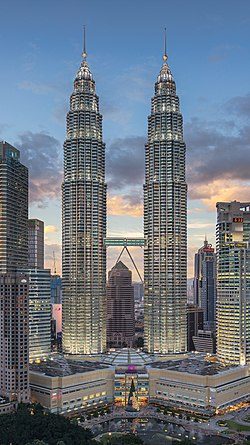
The towers serve as PETRONAS's global headquarters — occupying Tower 1 in its entirety.
PETRONAS occupies Tower 1 in its entirety, housing its executive offices, exploration and production divisions, and corporate functions across dozens of floors. Tower 2 is leased to a mix of multinational tenants, including major technology firms, financial institutions, and legal practices. The rental income from Tower 2, combined with the retail revenues from Suria KLCC and the convention centre, has made the KLCC development a profitable long-term investment rather than simply a prestige project.
Petronas's Role in Malaysia's Economy
PETRONAS is, by most measures, the single most important company in the Malaysian economy. It contributes roughly 15–20 percent of the federal government's annual revenue through dividends, taxes, and royalties. These funds support everything from education and healthcare to rural infrastructure and defence. The company's annual revenue exceeds RM 250 billion (approximately US $55 billion), placing it consistently among the ten largest oil companies in the world by revenue.
Beyond direct financial contributions, PETRONAS has driven the development of Malaysia's engineering and technical workforce. The company sponsors thousands of scholarships annually through the PETRONAS Education Sponsorship Programme, and it operates the Universiti Teknologi PETRONAS (UTP), one of Malaysia's leading engineering universities. Many of the engineers and project managers who built the twin towers were PETRONAS scholars, creating a virtuous circle of investment in human capital.
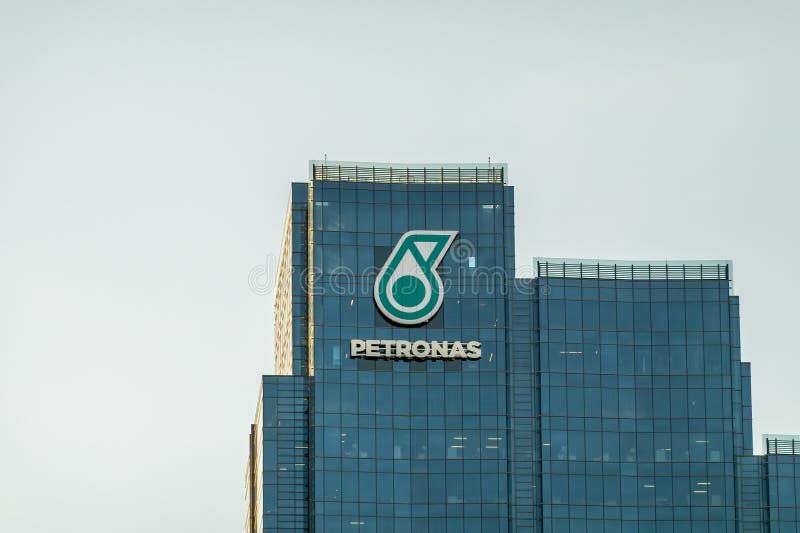
PETRONAS operates offices and facilities across more than 50 countries worldwide.
The Modern Petronas
In the 2020s, PETRONAS is navigating the global energy transition with a dual strategy: continuing to develop its core oil and gas assets while investing heavily in renewable energy, carbon capture, and hydrogen technology. The company has committed to achieving net-zero carbon emissions by 2050 and has established a dedicated Clean Energy Business unit to drive this transformation.
PETRONAS is also one of the world's most visible sports sponsors, having served as the title sponsor of the Mercedes-AMG Petronas Formula One team since 2010. The partnership has yielded multiple Constructors' and Drivers' Championships and ensures that the PETRONAS brand reaches a global television audience of over 1.5 billion people annually. For many international viewers, the association between the teal-green F1 livery and the teal-accented twin towers is instinctive.
Petronas Key Facts
Founded: 17 August 1974 · Full name: Petroliam Nasional Berhad · Headquarters: Tower 1, Petronas Twin Towers, KLCC · Revenue: ~RM 250 billion (FY2024) · Employees: ~48,000 worldwide · Operations: 50+ countries · Key sectors: Upstream, downstream, LNG, petrochemicals, clean energy